130 years of HERZ
From HERZgasse to the wider world
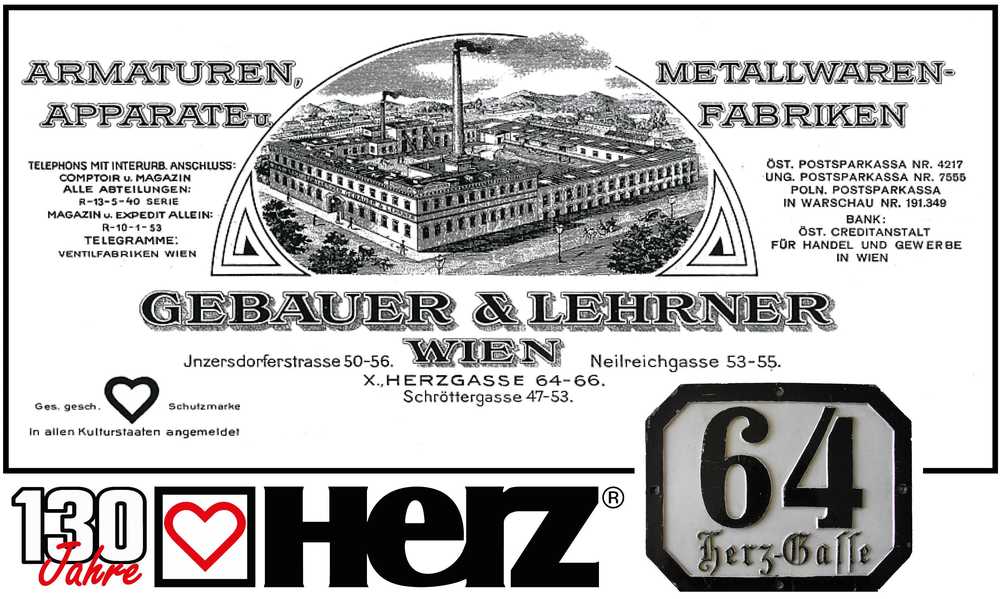
From a small Viennese business to a leading international group in building services engineering, the company's history is one of innovation, specialisation and social responsibility. A full 130 years lie between the founding of the valve factory with 12 employees in Vienna's tenth district – Gebauer & Lehrner KG – and today's international full-service provider for building technology with 3.100 employees – the HERZ Group. HERZ combines entrepreneurial success with sustainable commitment – as demonstrated by the establishment of the non-profit HERZ Foundation, which actively promotes the future of the industry.
The beginnings 1896–1914: Gebauer & Lehrner KG in Herzgasse
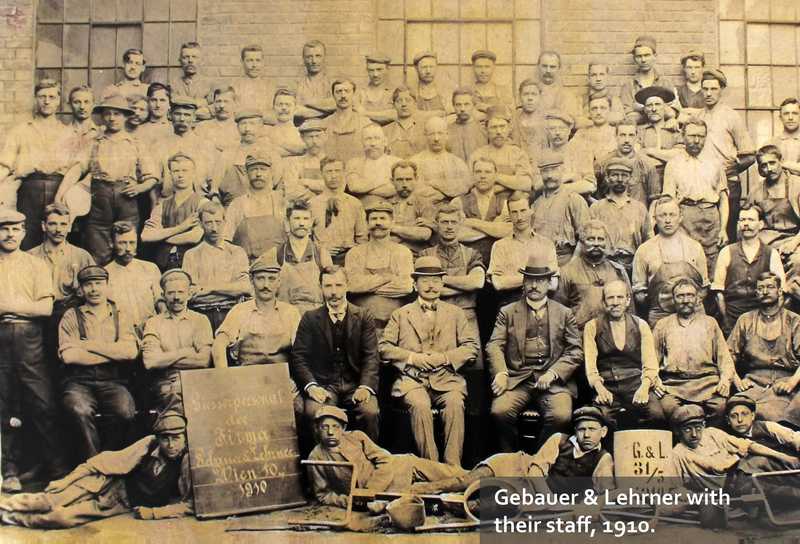
HERZ's roots date back to 1896, when Franz Gebauer and Viktor Lehrner founded ‘Gebauer & Lehrner KG’ in Herzgasse, Vienna, with twelve employees. The company grew rapidly: before the First World War, it already had 300 employees and offered over 1.300 products. These ranged from sanitary, heating and gas fittings to taps and bar stands, bathtubs and bathroom heaters. These were sold throughout the entire territory of the former monarchy. It was particularly typical for the time that almost every city administration wanted its own tap models, so that around 60 different spigot taps were produced, for example.
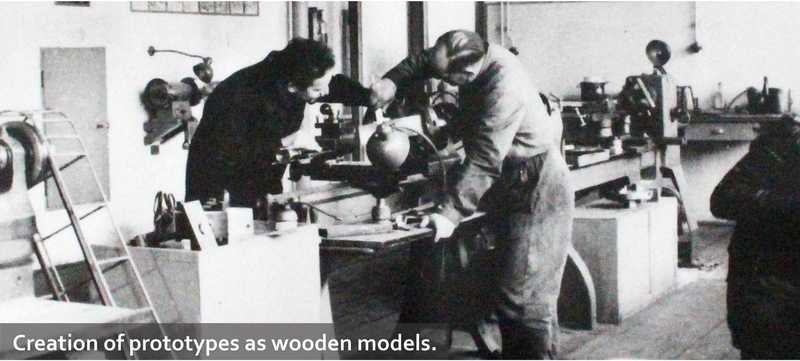
As there were no technical drawings for every detail at the time, the prototypes were initially made by hand from wood. Once they had been approved, they were moulded in sand during production and then cast in the foundry. Until 1936, transport to the surrounding area was carried out by horse-drawn carts – the stable and hayloft for four horses were located directly in the factory building.
War years and export orientation: 1914–1950's
The difficult political and economic conditions during the First World War and the interwar period caused the workforce to shrink to 120 employees. However, production continued until the Second World War. During the Second World War, civilian valve production was banned and the company was required to produce torpedo fuses for the German navy. Scrap metal collectors delivered entire truckloads of cartridge cases and scrap metal to Gebauer & Lehrner. The material was melted down and reprocessed, as brass – the main material used in fittings – is also found in cartridge and shell casings.
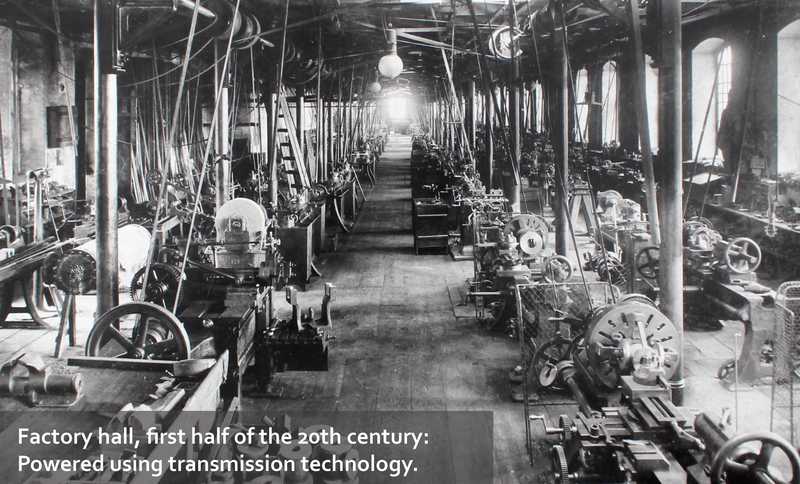
Transmission technology was used to drive the machines: a steam engine powered the shafts mounted under the ceiling (see photo). Wherever a machine needed to be driven, the wheel on the shaft was connected to the wheel of the machine to be driven by means of a leather transmission belt. This enabled the machines to be set in motion. After the war, Viktor Lehrner took over sole ownership. In the 1950s, his son Richard Lehrner took over the management of the company and introduced specialisation in heating fittings. This enabled the company to start series production and focus consistently on exports.
Modernisation and crisis: 1960–1970's
The plan to specialise in heating valves was a success: the first export successes were already evident in the early 1960's, and the company sold 800.000 heating valves worldwide. In the 1970's, sales even rose to 1.8 million valves across Europe. The HERZ logo established itself as a brand. After Richard Lehrner retired, the company was renamed HERZ Armaturen AG.
During his career, one thing was important to Richard Lehrner: his employees. He placed great emphasis on their motivation and support and developed an employee participation model that allowed employees to benefit directly from the company's success. A rating system was used to award points to each employee, which determined the amount of profit sharing. The model attracted a great deal of attention, was used as a case study in theses and was featured in magazines such as Profil and Trend over several pages.
Then came the oil crisis of 1973. Investments fell, sales figures plummeted and the once leading company was on the brink of economic ruin. A rescue seemed impossible, as hardly anyone believed that HERZ would survive the coming years.
The new beginning: 1980-2010
In the 1980's, the company moved to its current headquarters on Richard-Strauss-Straße in Vienna's 23rd district and a new owner was sought. In 1989, Gerhard Glinzerer entered this seemingly hopeless scenario. Ridiculed by the competition, he and his partners took over HERZ Armaturen, which many had already written off. In 1994, he became the sole owner of HERZ. Under his leadership, the company was stabilised, international expansion was driven forward and HERZ became a globally successful, innovative partner in building technology in the long term.
The 1990's marked the company’s transformation into a limited liability company, the establishment of numerous sales subsidiaries and the development of a global market presence. In the 2000's, new factories were constructed and additional manufacturers of building services equipment were acquired both domestically and abroad. Gerhard Glinzerer describes the successful rise of HERZ Armaturen under his leadership as follows: "The dissolution of the Soviet empire and the freedom for the Eastern European satellite states enabled rapid growth, especially in Eastern Europe, Russia and Central Asia. Over the years, a conglomerate of companies with more than 3.000 employees, numerous production facilities and sales companies with global activities was created."
Diversification and product range expansion: 2010–2020
The 2010's were marked by expansion and innovation at HERZ. The product range was consistently expanded in order to be able to cover all requirements as a full-range supplier in building technology. In 2010, HERZ Energietechnik moved from Sebersdorf to Pinkafeld in order to expand its premises and meet growing demand. The portfolio ranges from wood chip and pellet systems to wood gasification boilers and heat pumps.
The acquisition of BINDER Energietechnik in Bärnbach expanded the range of biomass systems to up to 10.000 kW. This enables the supply of both small district networks and large-scale supply systems. BINDER relies on modular pre-assembly: warm water, hot water and steam boilers are prepared at the factory, including pre-insulation, so that all components are precisely matched to each other. This reduces installation work on site and enables direct, error-free commissioning.
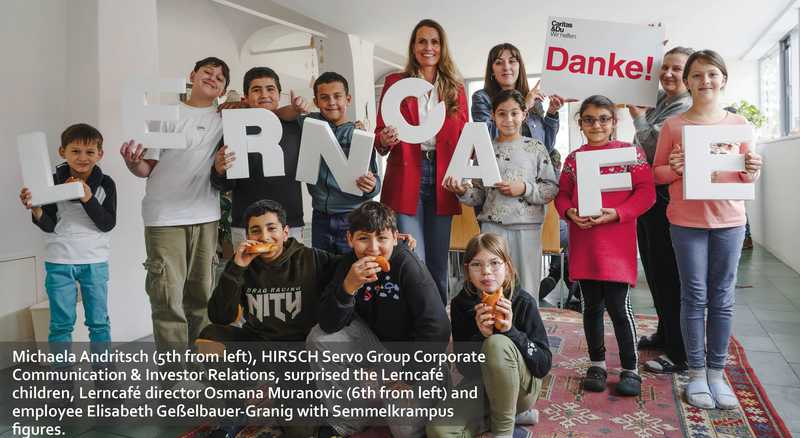
Most recently, the company acquired a majority stake in the HIRSCH Servo Group, which is headquartered in Glanegg and has numerous European production sites. HIRSCH is the European market leader in the manufacture of Porozell insulation materials and packaging. The company also produces machines and tools for moulded parts made of EPS and EPP, such as dimpled panels for underfloor heating or facade insulation. With these investments, HERZ not only strengthened its product range, but also secured jobs in Austria – a clear commitment to the company's roots and the domestic economy.
HERZ invests in the future: The non-profit HERZ Foundation 2025
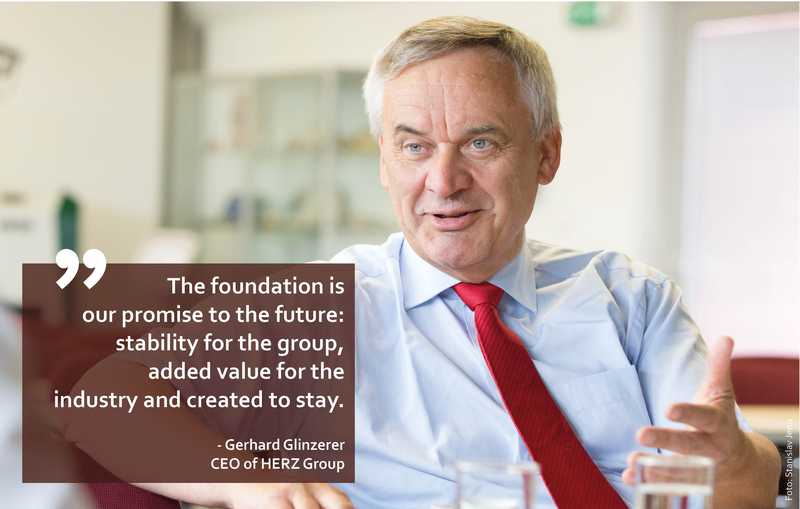
At the beginning of 2025, Gerhard Glinzerer transferred the entire HERZ Group to the non-profit HERZ Foundation. "Numerous employees had contributed to the success and I felt connected to them. In order to secure the long-term future of the HERZ Group and in the interests of employees, customers and suppliers, the idea of a non-profit foundation came into play and was implemented," Gerhard Glinzerer told HERZ News.
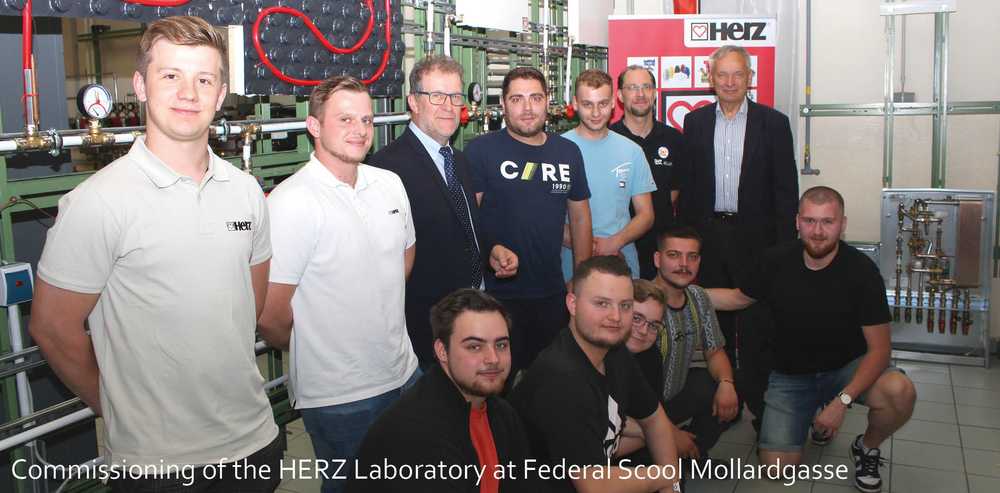
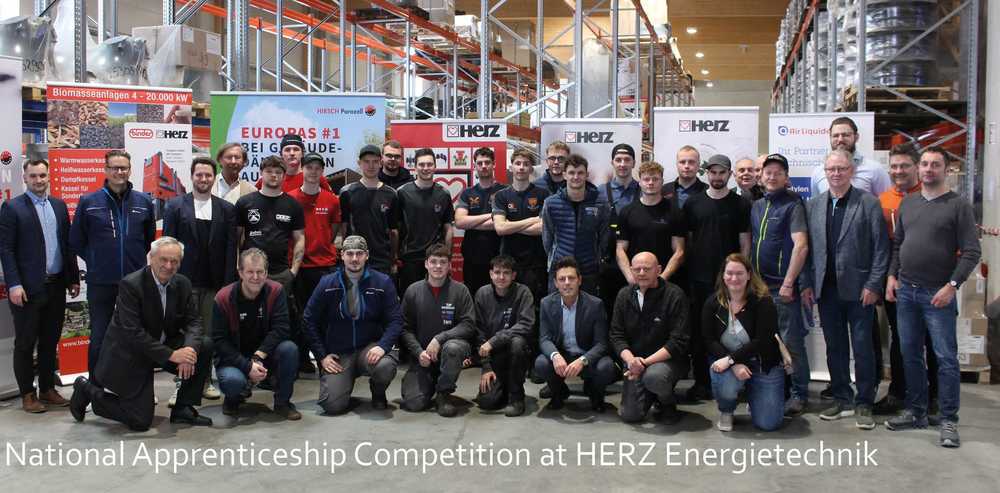
The non-profit HERZ Foundation aims to actively promote the future of building technology by supporting vocational schools, HTLs, technical colleges and universities, as well as by promoting young talent and further training in the industry. Profits from the group's activities are thus reinvested in the industry, specifically in those who will shape the building technology of tomorrow: apprentices, school pupils, students and skilled workers.
In addition, the non-profit HERZ Foundation ensures that the corporate group continues to operate as a unified entity. "The foundation secures and holds together what belongs together from today's perspective and, in cooperation with the affiliated companies, generates added value for the entire industry", says Gerhard Glinzerer. For customers and partners, this means long-term reliability, continuity and the certainty of working with a partner who combines economic success with social responsibility.
Today: HERZ as an international group
Today, the HERZ Group has 44 production sites in 12 European countries, 50 subsidiaries worldwide, around 3.200 employees and an annual turnover of around 600 million euros. Under the leadership of Gerhard Glinzerer, HERZ has consolidated its position as one of the most successful companies in building technology internationally – with a clear combination of innovation, quality and social commitment.
Shaping the Future Together
Supporting others has long been a tradition at HERZ, even before it had a formal name. HERZ provides textbooks in 13 languages for technical schools and universities, supports educational institutions with laboratory equipment and products and offers training for students, apprentices, and industry professionals. What has always defined HERZ will continue through the work of the non-profit HERZ Foundation.
The non-profit HERZ Foundation was established in 2025 – driven by the belief that entrepreneurial success also entails responsibility. At the end of March 2026, a dividend will be paid to the HERZ Foundation for the first time. From the second half of 2026 onwards, these funds will be available to support initiatives in line with the Foundation’s statutes.
We now wish to take this journey further together with you. We warmly invite our readers to submit suggestions for projects and initiatives worthy of support via email to stiftung@herz.eu
Together, we can focus our efforts where support truly makes a difference – today and for the future.
© 2026. HERZ